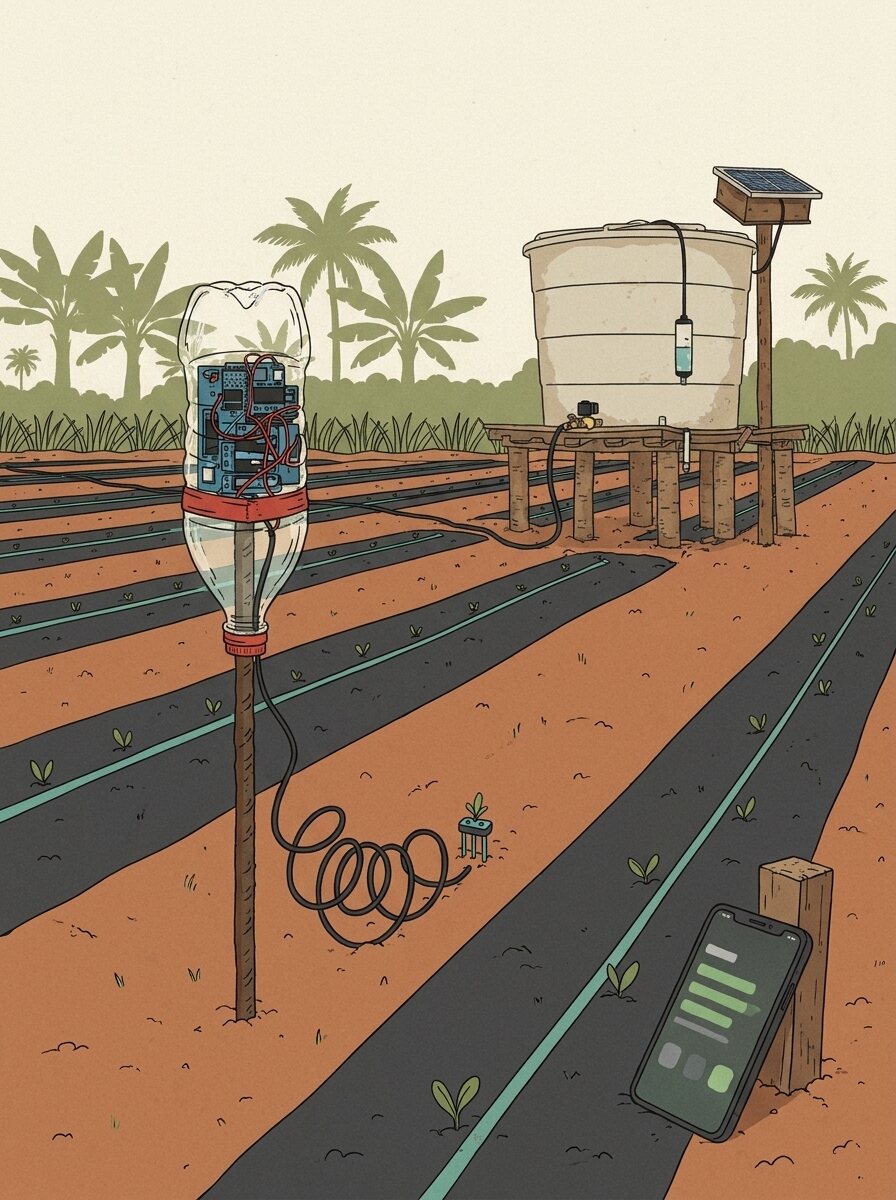
A discovery project funded by Float, implemented by Sunrise Labs Mauke, Cook Islands
Farmers
IoT Toolkit
Low-cost farm sensors you build yourself.
Four modules, complete parts lists with links, working firmware, and build guides written from the real build on a Cook Islands farm.
- Modules
-
- Solar power
- Wifi Water tank level and valve
- Wifi Soil moisture
- Android phone (Wifi & internet connectivity)
- Board
- Wifi ESP8266
- A sensor node
- about NZ$155
- Licence
- Open source
Farms already run on measurement — how full the tank is, whether the bed needs watering, whether the pump ran last night. Reading those remotely has been cheap for a decade; what is not cheap is how it is sold. A subscription per sensor, a proprietary gateway, an app that stops working when a company changes direction. Where the nearest technician is a flight away, that model does not just cost money — it fails, and there is nobody to call.
A five-dollar microcontroller, a probe, and an old phone can do the same job — and you can repair it yourself, because you built it.
Everything runs on hardware you can buy in ones and twos and replace at the market price of the part. The code is yours. The data goes to a phone in your own shed. There is no account, no subscription, and no company that can turn it off.
The project in five minutes
An overview — enough to get an idea of what the four modules are and how they fit together.
Nothing loads from YouTube until you press play.
Full 30 minute walkthrough
A longer look at the four modules in use out on the farm. Still no build or wiring — that is what the module guides and the cheatsheet are for.
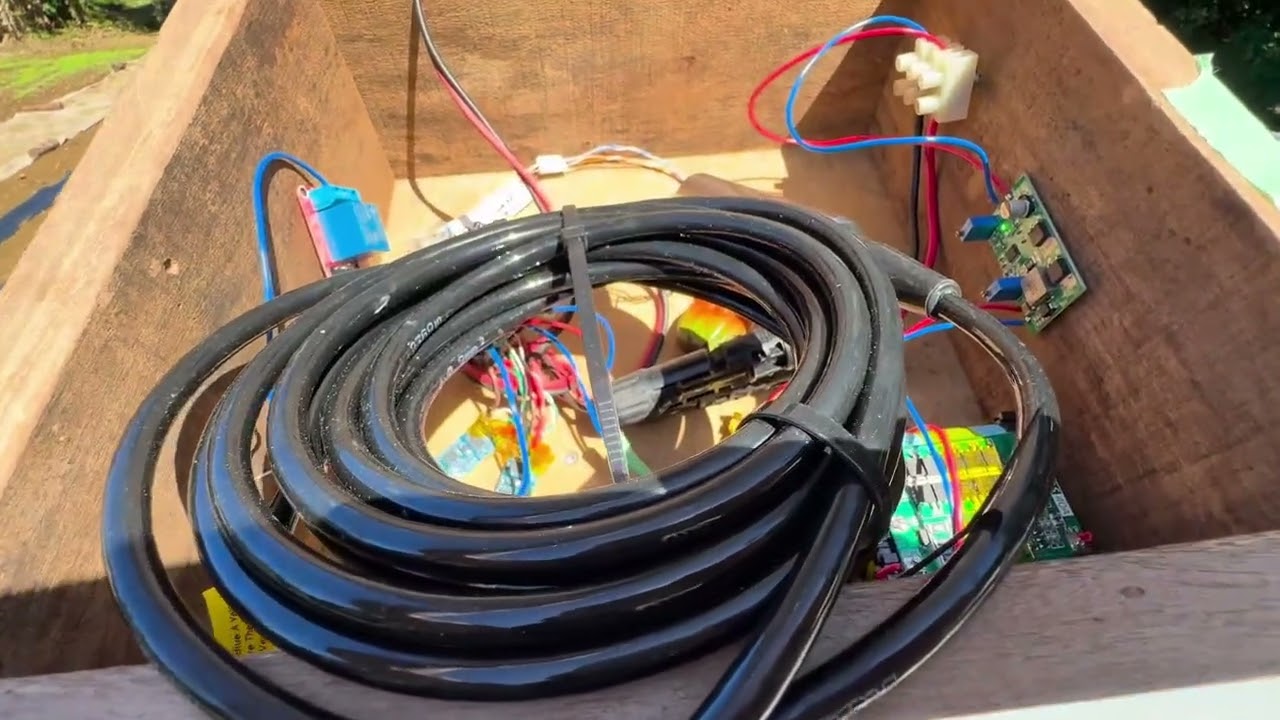
Nothing loads from YouTube until you press play.
The four modules
Each one solves a real problem on its own. Build one, or build all four and they become a single system.
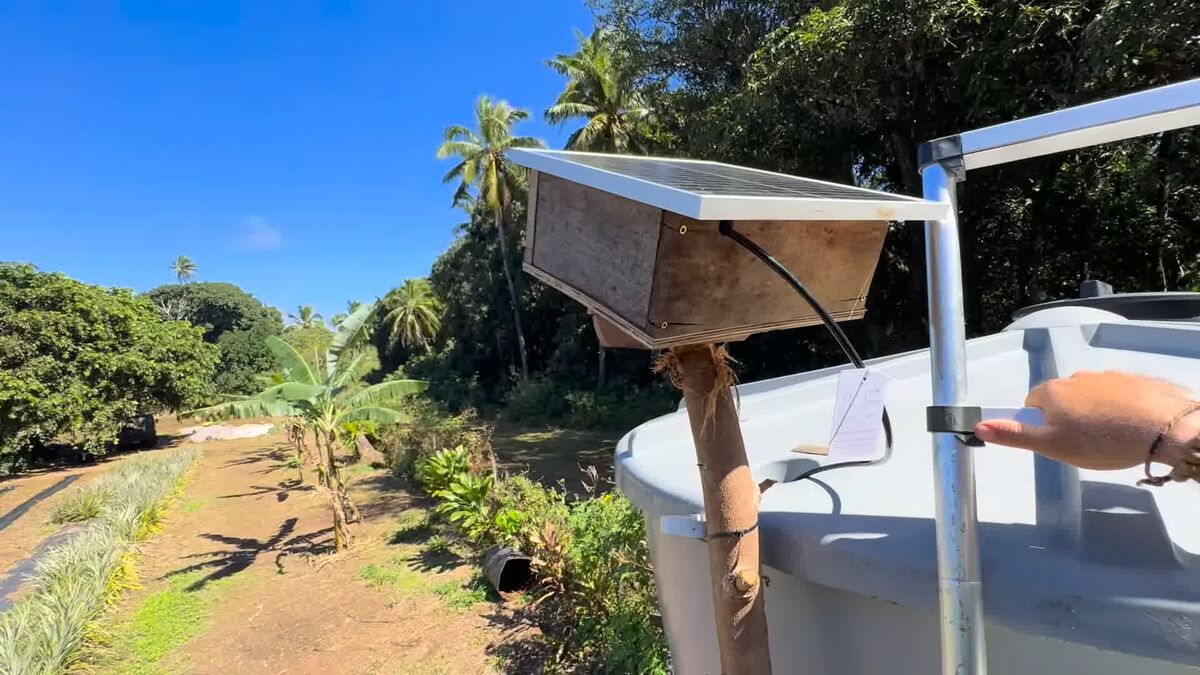
Solar Power Pack
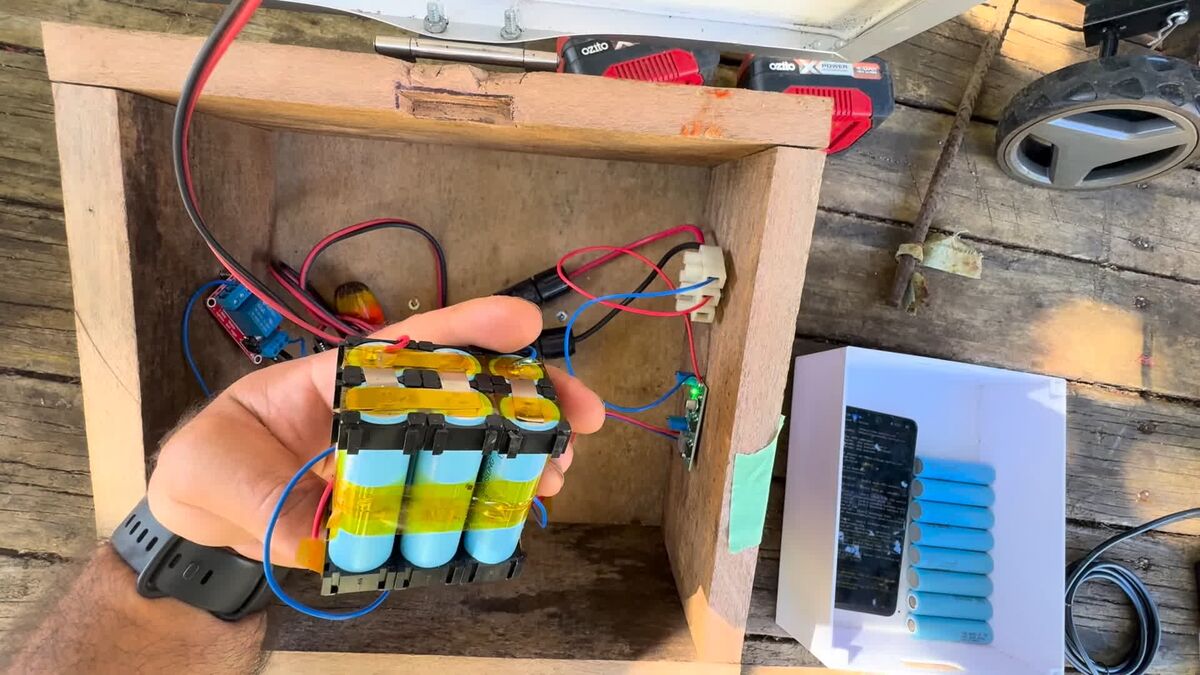
A 20 W solar panel charges six 18650 cells through an MPPT controller and a protection board. The pack hands out a steady 12 V to every other module.
Build it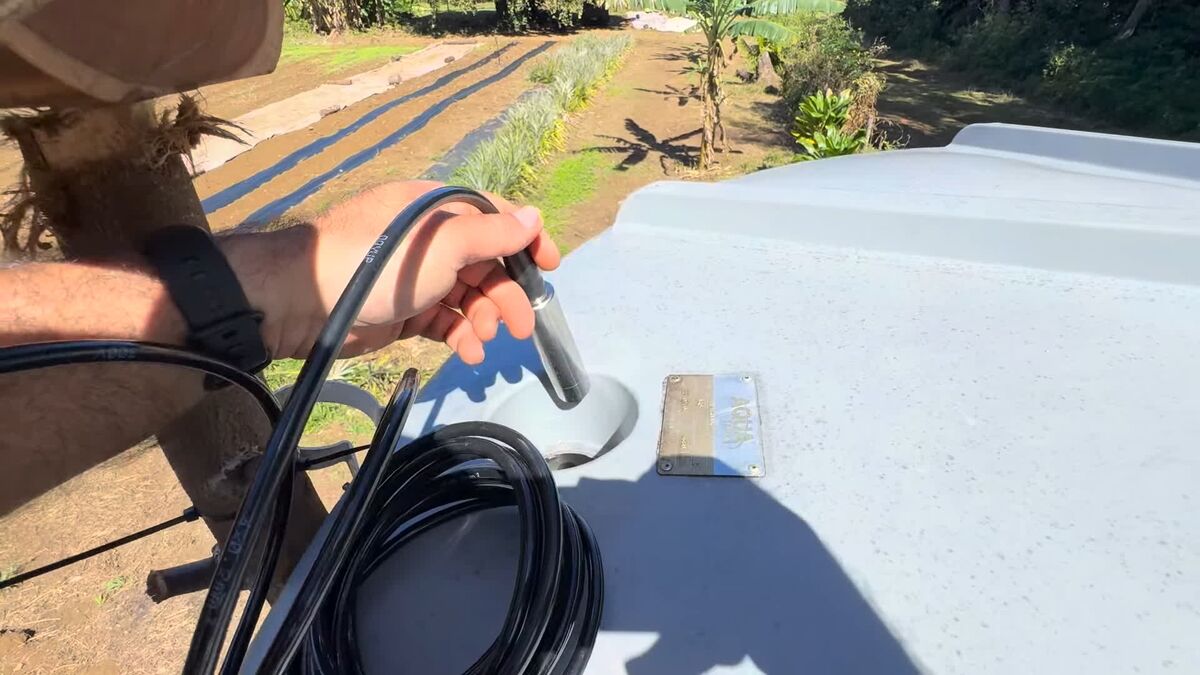
Water Tank Level & Valve
A sealed probe on the tank floor feels the weight of the water above it, and a solenoid valve on the outlet lets the system open and shut the irrigation line.
Build it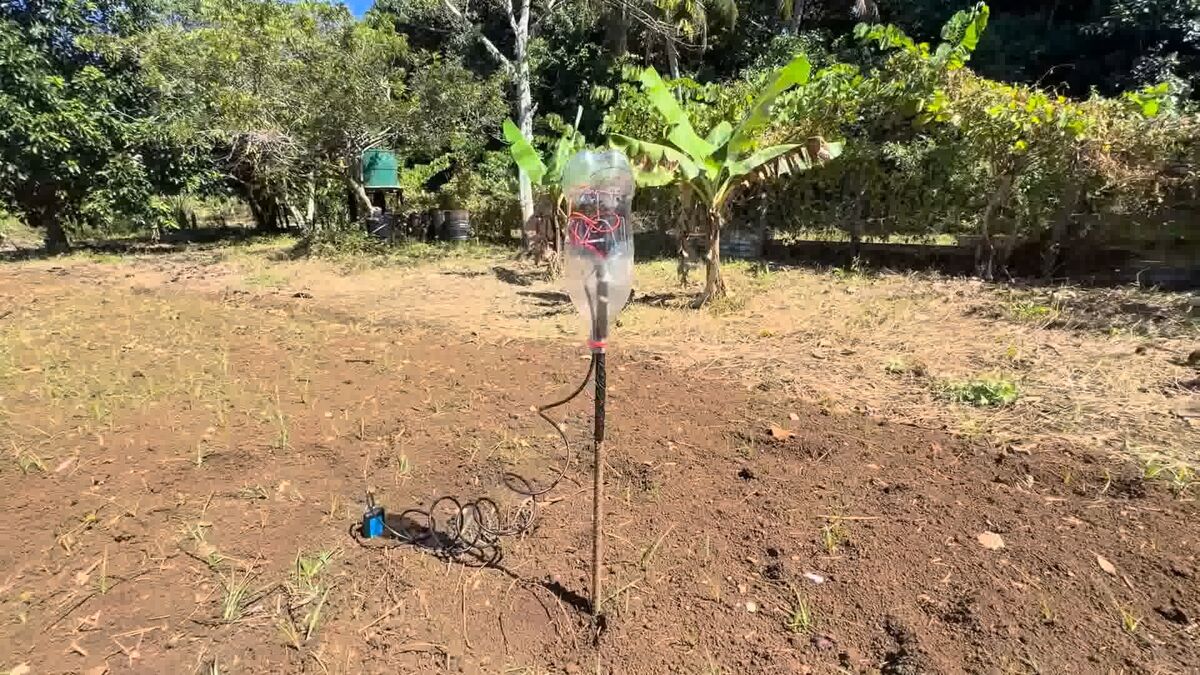
Soil Moisture Sensor
A sealed probe buried at root depth measures how much water is actually in your soil, on a node small enough to carry its own battery and sit anywhere in the field.
Build it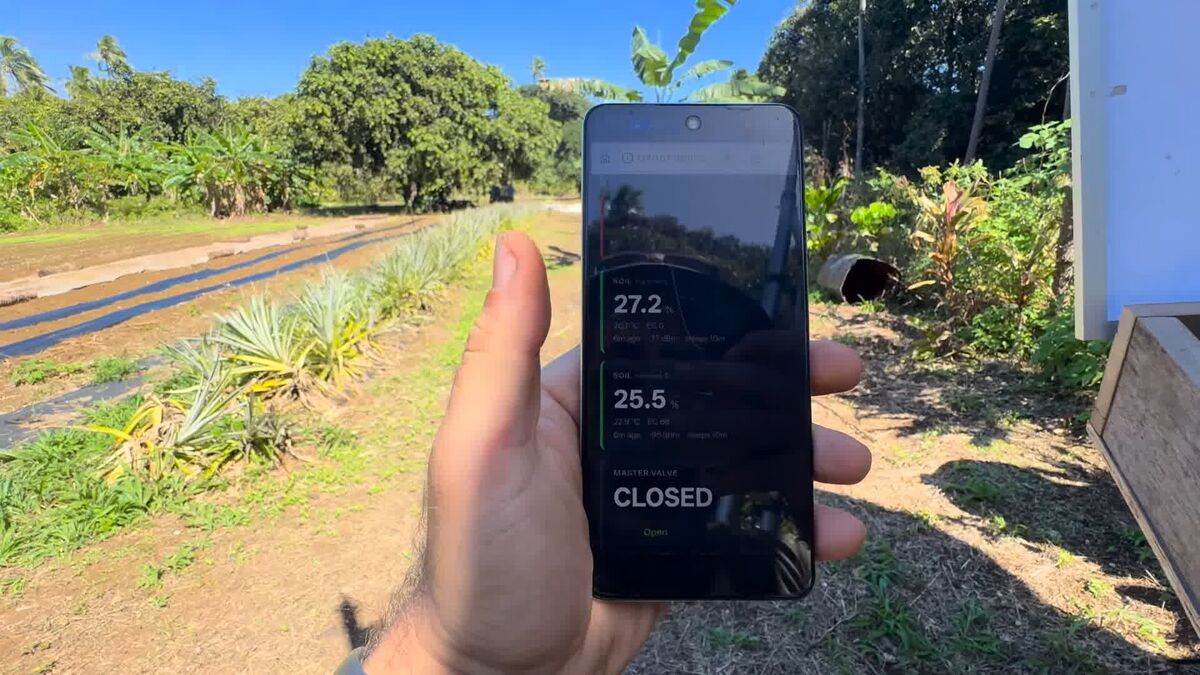
Mobile WiFi Base Station
An old Android phone becomes the brain: it makes the WiFi network your sensors join, runs Node-RED to collect the readings, and uses its own 4G to get them to you anywhere.
Build itHow they interact
Sensors read over RS485 and post over WiFi to an old Android phone running Node-RED. The phone pushes batches out over 4G. Power comes from one solar pack.
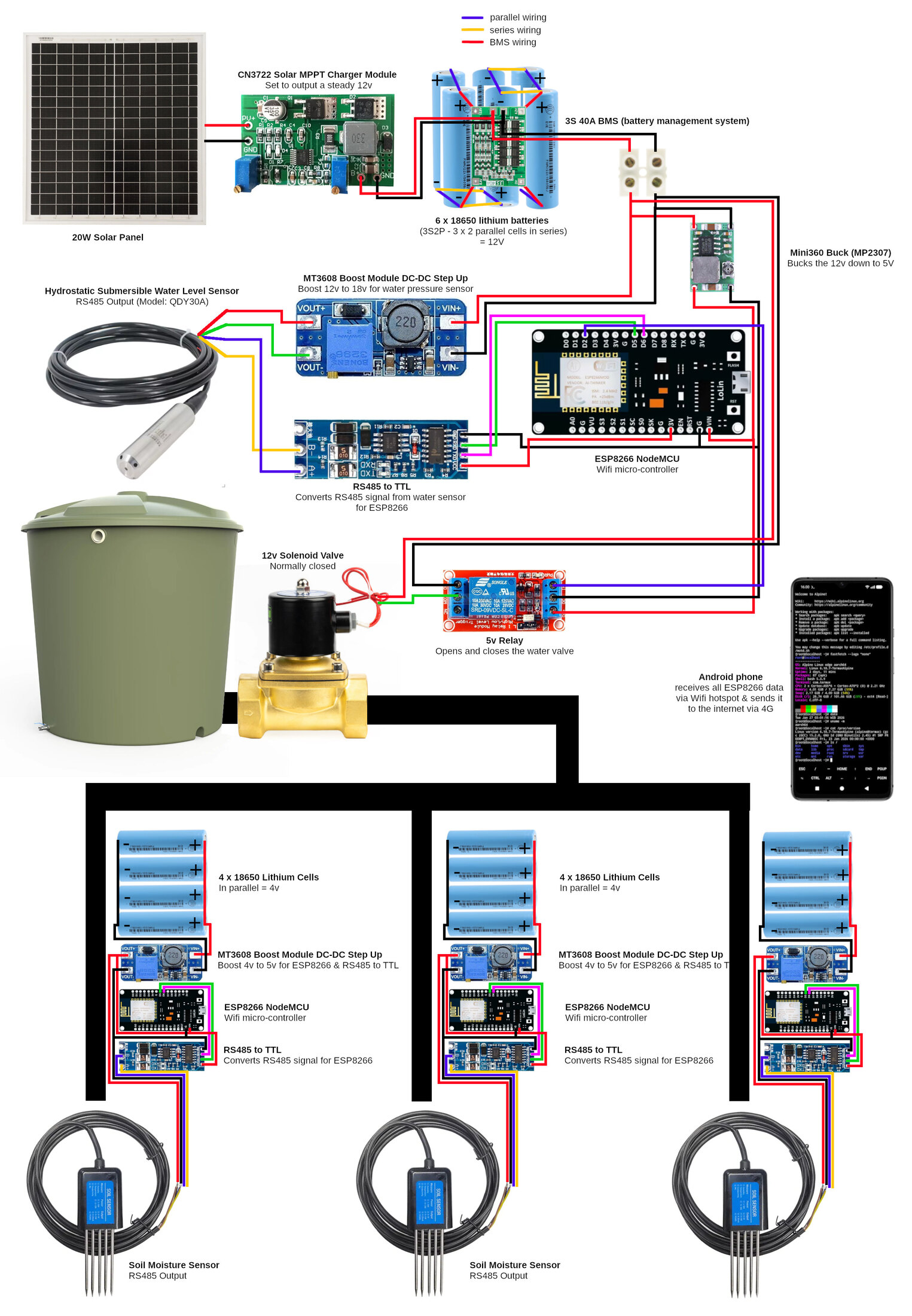
The full wiring cheatsheet
Every pin, every wire colour, every baud rate and register, the pin budget, the ground topology, and a symptom-to-cause table — on one page you can keep open on a phone while your hands are busy.
Printed, it is two pages. That is deliberate.
Open the cheatsheet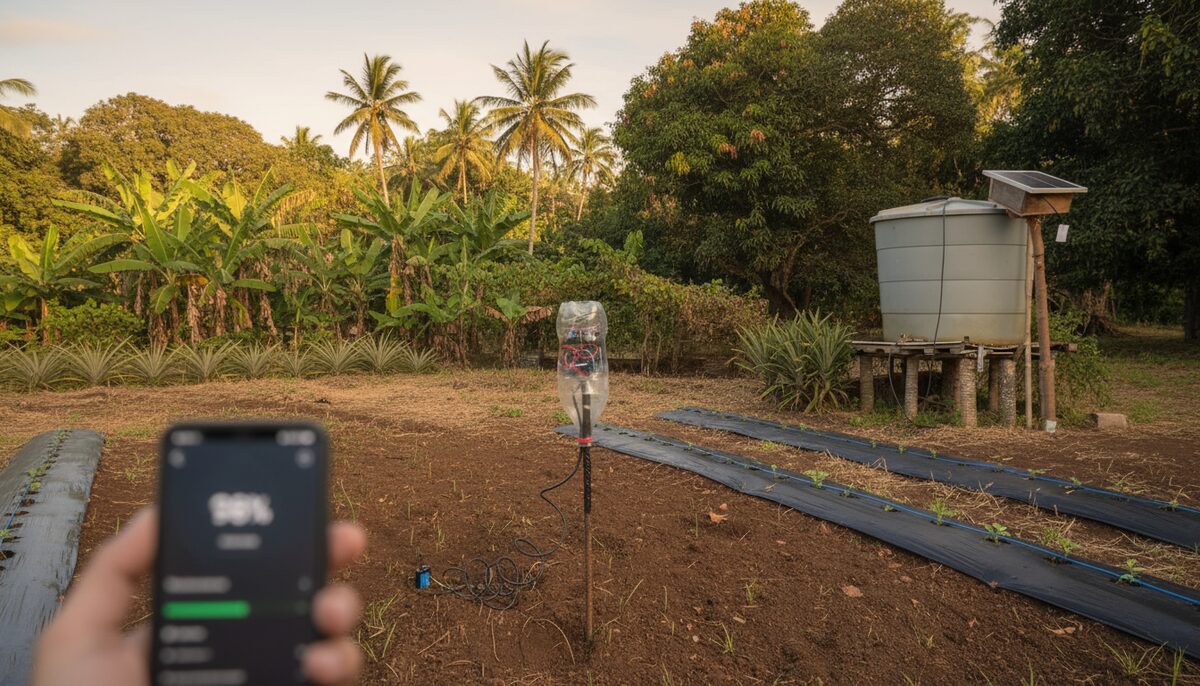
Add to it
Four modules is a starting set, not a product. A fifth module, a correction, a cheaper part that works, a photo of yours in a field — all of it is welcome.
What would help most right now
- Numbers from other climates — a pack and panel sized for the tropics is not sized for a winter at latitude.
- A long-run reading of an Android phone's real draw as a plugged-in hotspot.
- Translations. Plain-language build guides are worth more in more languages.
- Photographs from actual installs, especially the ugly ones.
How the project is funded
Float selected this as a discovery proposal, which means the work is documented as it is built rather than written up afterwards. That is why every module here carries its full parts list, its wiring, and the reasoning behind each design choice — the documenting is the deliverable.